
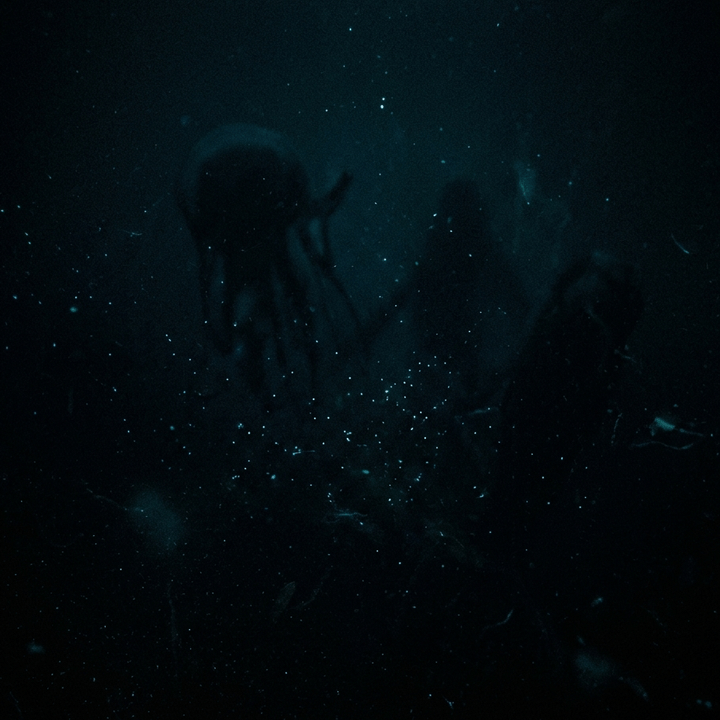
Imagine a world of perpetual night, thousands of meters below the ocean’s surface, where sunlight never reaches. This is the deep sea, Earth’s largest and least explored frontier.
Recently, scientists have been discovering an astonishing number of new species in these dark depths. And strikingly, many of these new creatures possess the incredible ability to create their own light, a phenomenon known as bioluminescence.
But why is this glowing so common in the deep sea? Researchers believe it’s a vital adaptation. For some, like the anglerfish, their light acts as a lure, drawing unsuspecting prey right to them in the darkness.
Others use their light for communication, helping them find mates or signal to their own kind in the vastness. Some even use it for defense or to camouflage themselves, blending in with the faint light from the surface, a strategy called counterillumination. These glowing adaptations are key to survival, proving that even in the deepest darkness, life finds a way to shine.