
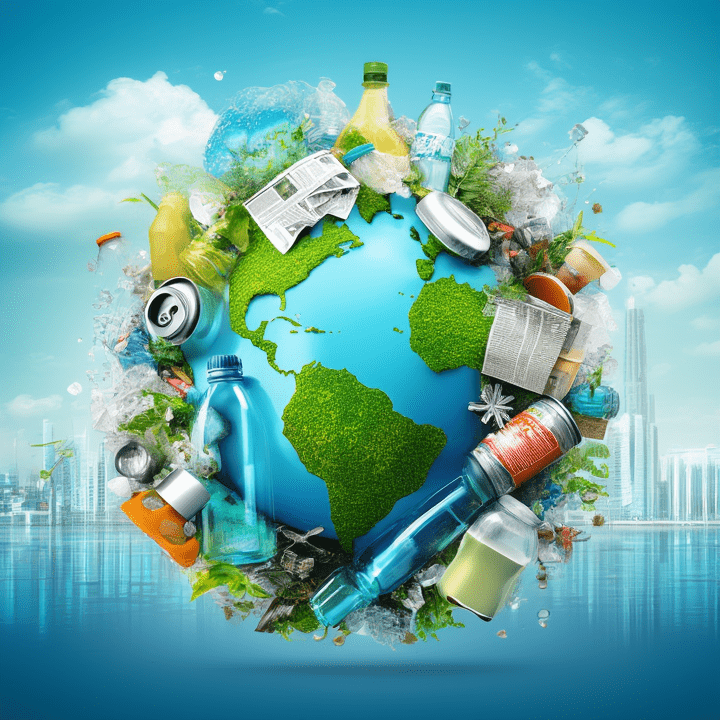
Hey everyone! Have you ever wondered what happens to your trash after you toss it, or why some things go in the recycling bin and others don’t? Today, we’re demystifying recycling – what you can recycle and, more importantly, why it makes a huge difference!
At its core, recycling is taking old stuff and turning it into new stuff instead of throwing it away. Why bother? Well, it’s a superhero for our planet! It saves precious natural resources like trees and minerals, reduces pollution, and cuts down on the energy needed to make new products from scratch. Recycling also helps reduce greenhouse gas emissions, combating climate change.
Let’s start with paper and cardboard. Think about all the newspapers, magazines, cereal boxes, and shipping parcels you use! Recycling these saves countless trees, thousands of gallons of water, and a significant amount of oil and energy. It also helps reduce CO2 emissions, giving us cleaner air.
Next up, plastics! While all plastics aren’t equally recyclable, most common items like drink bottles and milk jugs, often marked with #1 (PET) and #2 (HDPE), are widely accepted. Recycling plastics is crucial because they take an incredibly long time to break down in landfills and can pollute our oceans. Turning them into new products uses significantly less energy than making them from raw materials. Just remember to rinse them out!
Glass is fantastic because it’s “infinitely recyclable,” meaning it can be melted down and reformed repeatedly without losing its quality. Recycling glass saves raw materials, and also a lot of energy, reducing carbon dioxide emissions. So, clean those jam jars and pickle bottles!
Metals, like aluminum and steel cans, are super valuable and highly recyclable. An aluminum can could be recycled and back on store shelves in as little as 60 days! Recycling metal, especially aluminum, saves up to 95% of the energy needed to make new ones from scratch.
Now, for a quick but important note on what NOT to recycle in your curbside bin. Things like plastic bags, food-soiled items like greasy pizza boxes, broken mirrors or ceramics, and electronics can cause big problems. They can jam machinery or contaminate entire batches of good recyclables. Always make sure your recyclables are clean and dry!
Every little bit truly helps. By understanding what to recycle and why, you’re not just throwing something away; you’re giving it a new life, conserving resources, saving energy, and creating a healthier planet for everyone. Let’s make recycling a habit for a brighter, more sustainable future!