
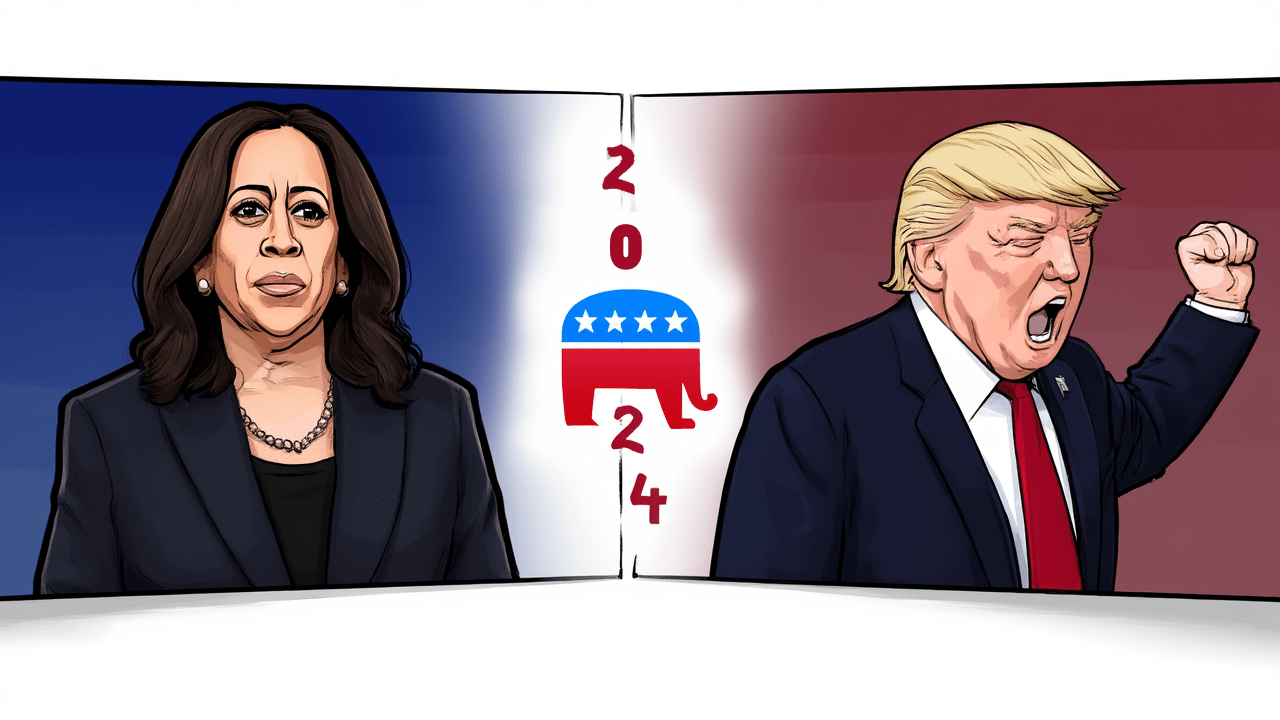
Hey everyone! The 2024 election was a big one, and the results left many asking, “Why?” Specifically, why did Kamala Harris, despite a strong campaign, not win the presidency? Let’s dive into some of the major factors.
First off, there were some significant shifts in voter demographics. Harris saw a decrease in support among men, especially men of color. Younger voters also showed less enthusiasm compared to 2020. This “churn” in the electorate, where fewer new and infrequent voters supported Democrats, was a big hurdle.
A major factor was the public’s perception of the economy. Issues like inflation and immigration were heavily on voters’ minds, and the Harris campaign inherited a lot of the disapproval directed at the previous administration’s performance on these core issues. Many voters felt the economic situation hadn’t improved enough.
While historic, her candidacy faced challenges related to race and gender, with some analysts noting underlying biases. The campaign’s emphasis on reproductive rights, while important to many, didn’t necessarily rally women voters to the degree expected, and it may have alienated some male voters. Also, some perceived a lack of a clear, independent political profile for Harris, as she mostly stuck to the previous administration’s talking points, making it hard to connect with persuadable voters.
Finally, Donald Trump’s campaign successfully appealed to a multi-ethnic, working-class coalition. He made gains among Latino and African American men, and his messaging, which often focused on a strong vision and addressing perceived national failures, resonated with segments of the electorate, including those disillusioned with the Democrats’ approach.
So, Kamala Harris’s loss wasn’t due to one single thing. It was a complex mix of shifting voter demographics, inherited economic challenges, campaign strategy, and the opposing candidate’s successful appeal. Understanding these layers helps us grasp the dynamics of this historic election.