Have you ever stopped to think, why do we use money? It’s everywhere, from buying your morning coffee to planning your dream vacation. But, what’s its real purpose?
Imagine a world without money, a long, long time ago. If you had a fish, but wanted a spear, you had to find someone who not only had a spear, but also wanted your fish! This was called “bartering,” and it was incredibly inefficient. This problem, finding someone who wants what you have and has what you want, is known as the “double coincidence of wants.” It’s quite a mouthful, isn’t it?
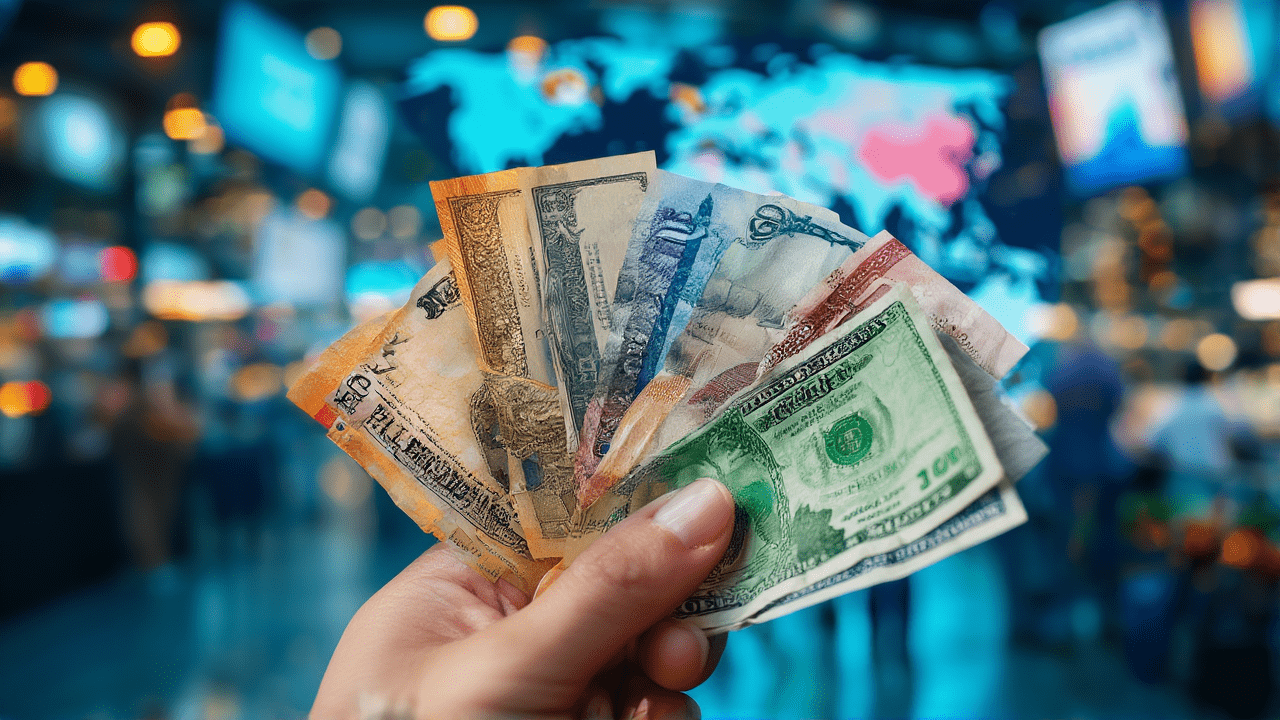
This is where money comes in! First and foremost, money acts as a “medium of exchange.” It’s something universally accepted for goods and services. No more searching for that perfect trade; just pay with money, and you’re good to go!
Secondly, money is a “store of value.” Unlike that fish, which would eventually spoil, money holds its value over time. You can save it today and use it tomorrow, next month, or even next year! It’s like a time capsule for your purchasing power.
And finally, money serves as a “unit of account.” It provides a common measure for the value of goods and services. Instead of saying “this apple is worth two small stones,” we can say, “this apple costs fifty cents.” It makes comparing values and calculating prices so much simpler!
So, by having money, we’ve unlocked incredible efficiency! People can specialize in what they do best – like farming, teaching, or building – knowing they can always exchange their earnings for whatever they need. It streamlines our economy and lets us focus on producing more and better things.
In essence, money isn’t just paper or coins; it’s a tool that simplifies transactions, preserves wealth, and enables a complex, specialized society to thrive. It’s the grease in the gears of our economy, making everything run smoothly!