
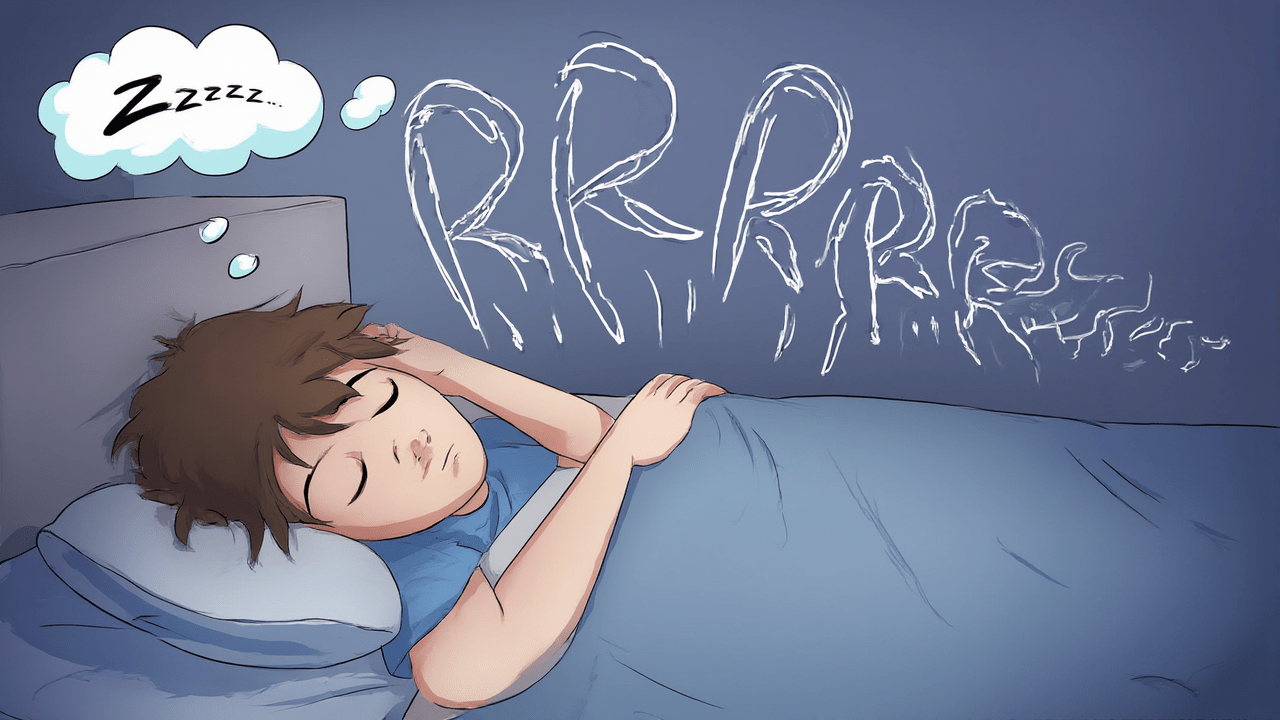
Ever wonder why some nights, you or someone next to you sounds like a freight train? That rumbling, rattling, sometimes whistling noise we call snoring is actually quite common. But what exactly causes it?
Well, it all starts when we fall asleep. As we drift into deeper sleep, the muscles in our throat and tongue naturally relax. This relaxation can cause the airway, the tube air travels through, to narrow.
Think of your throat like a soft, flexible tunnel. For some people, their unique anatomy plays a big role. They might have a naturally narrower airway, a long soft palate, that’s the back of the roof of your mouth, or a long uvula, that little piece of tissue hanging down. Enlarged tonsils or adenoids, especially in children, can also take up extra space, making the passage tighter.
It’s not just the throat! Problems in your nose can contribute too. Things like a stuffy nose from allergies or a cold, or even a deviated septum, which is when the wall between your nostrils is off-center, can block airflow through your nose. This forces you to breathe through your mouth, which can make snoring worse.
Lifestyle choices also play a part. Drinking alcohol before bed can relax your throat muscles even more, increasing the chances of snoring. Being overweight can mean extra tissue around your neck and throat, narrowing the airway. Even simply sleeping on your back can cause gravity to pull your tongue and soft palate backward, blocking the air passage.
So, when air tries to squeeze through this narrowed or partially blocked airway, it causes the soft tissues in your throat – like your soft palate and uvula – to vibrate. It’s these vibrations that create that distinctive, sometimes disruptive, snoring sound! Understanding why we snore is the first step, and thankfully, there are often ways to help quiet that nighttime rumble.