
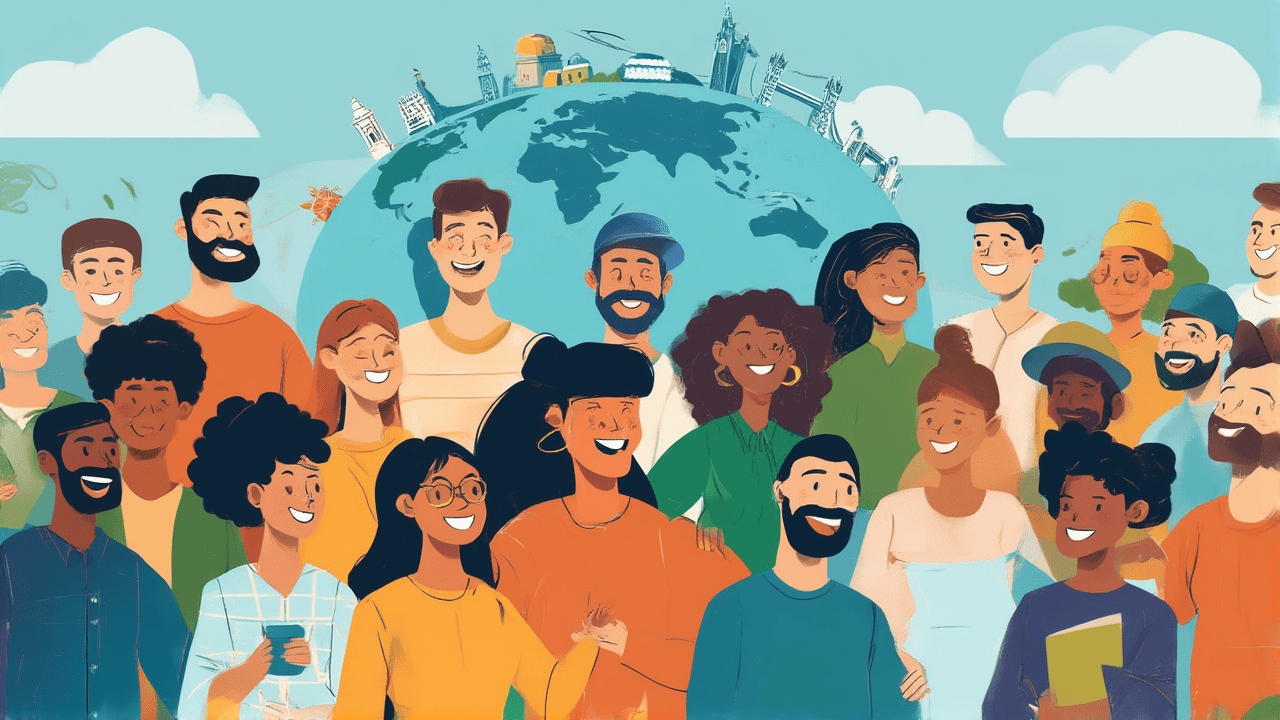
Ever wondered why people around the world do things so differently? From how we greet, to what we eat, even how we celebrate! It’s not just random; there are fascinating reasons behind every unique custom.
One major reason is our environment. Think about it: communities in harsh deserts developed ways to conserve water, while those near rivers built lives around agriculture. Our surroundings literally shape our daily routines and, eventually, our customs!
History plays a huge role too. Major historical events, like migrations, wars, or even scientific discoveries, leave lasting marks on a culture’s identity and practices. Traditions often emerge from commemorating or learning from these past experiences.
Our core beliefs and values are powerful drivers. Religious practices, philosophical ideas, or even shared ethical principles guide how societies organize themselves, celebrate life’s milestones, and treat one another. These deeply held convictions become the bedrock of many customs.
And let’s not forget interaction! Cultures are rarely isolated. Trade, migration, and even conquest lead to the exchange of ideas, technologies, and practices. Sometimes customs merge, sometimes they adapt, but they’re always evolving.
So, different customs aren’t just quirks; they’re rich tapestries woven from environment, history, beliefs, and interactions. Understanding these roots helps us appreciate the incredible diversity of human experience and how wonderfully unique we all are!