
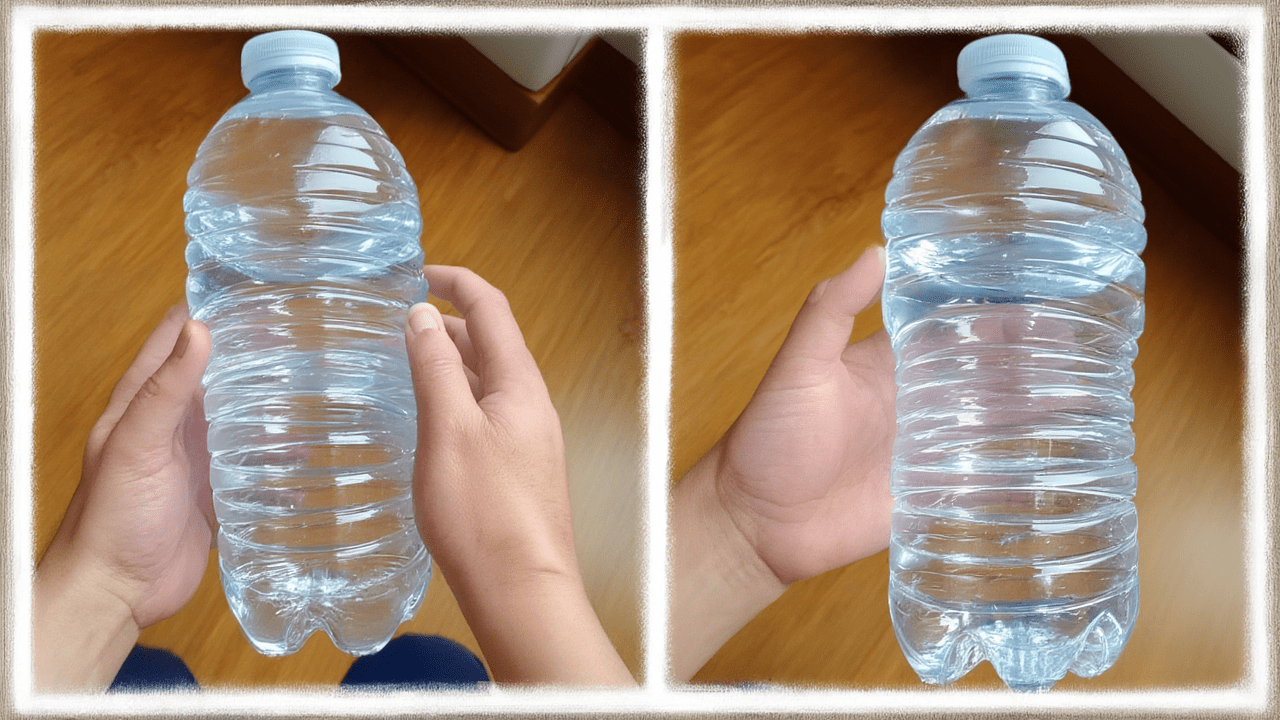
Have you ever tried to squeeze a bottle full of water? It feels, well, solid, doesn’t it? Unlike air, which you can easily compress, water seems incredibly stubborn.
To understand why, let’s zoom in, way in, to the tiny world of water molecules. Water, or H2O, is made of one oxygen atom bonded to two hydrogen atoms. They’re like little LEGO bricks, constantly moving, but already really, really close to each other.
In liquid water, these molecules are already packed very, very tightly. Think of them like a big crowd of people standing shoulder-to-shoulder at a concert; there’s just no extra room to push them closer together. Strong forces, called hydrogen bonds, hold them in this close arrangement.
Now, compare that to air, which is a gas. Gas molecules are super far apart, with lots and lots of empty space between them. That’s why you can easily squeeze a balloon; you’re just pushing those molecules closer into the empty spaces.
So, the reason water is practically incompressible is because its molecules are already so closely packed together, with very little empty space and strong attractions holding them there. You’d need immense, unimaginable pressure to force them any closer, well beyond what we can do in everyday life!