
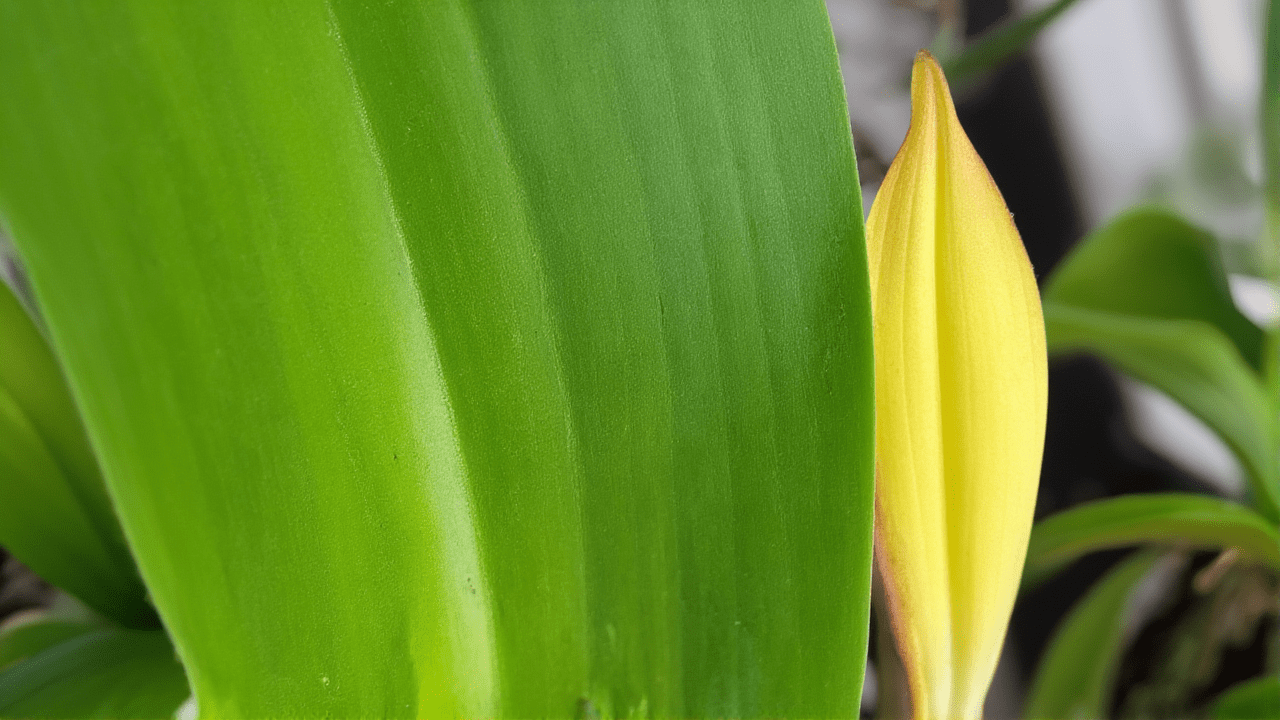
Hey plant parents! Ever wake up to find your beautiful orchid’s vibrant green leaves turning a sickly yellow? Don’t panic! It’s a common issue, and most of the time, it’s fixable. Let’s dive into the top reasons why your orchid leaves might be yellowing and how you can bring them back to life!
First off, sometimes a yellowing leaf is completely normal. Just like us, plants age! Older leaves, especially those at the bottom of the plant, will naturally turn yellow and eventually fall off to make way for new growth. This is usually nothing to worry about.
Now, let’s talk about watering. This is often the biggest culprit! Overwatering is a common mistake, leading to soggy roots and something called “root rot.” When roots rot, they can’t absorb nutrients, and your leaves turn yellow and might feel soft and mushy. On the flip side, underwatering can also cause yellow leaves, as the plant becomes dehydrated and the leaves might appear wrinkled.
Light is crucial for orchids. Too much direct sunlight, especially on a windowsill, can scorch the leaves and turn them yellow. Think of it as a plant sunburn! But don’t go putting them in total darkness either! Not enough light can also cause leaves to turn a pale yellowish-green because the plant can’t produce enough chlorophyll, which is what makes them green.
Your orchid needs its vitamins too! A lack of essential nutrients, especially nitrogen, magnesium, or iron, can cause yellowing. Nitrogen deficiency often leads to a general yellowing, while magnesium deficiency might show up on older leaves first.
Orchids are a bit particular about their environment. Extreme temperatures, whether too hot or too cold, can stress them out and cause yellowing leaves. And then there are pests! Tiny invaders like aphids, mealybugs, and spider mites can suck the sap from your orchid, leading to yellow spots and overall discoloration. Diseases, particularly fungal or bacterial infections, can also cause yellowing, often accompanied by spots or a foul smell.
So, what’s the takeaway? Observe your orchid closely! Check for mushy roots, dry potting mix, direct sun exposure, or any signs of pests. Once you identify the problem, adjust your watering, light, or feeding. If it’s just an old leaf, let it be; it will fall off naturally. Understanding these common reasons will help you keep your orchid happy and green!