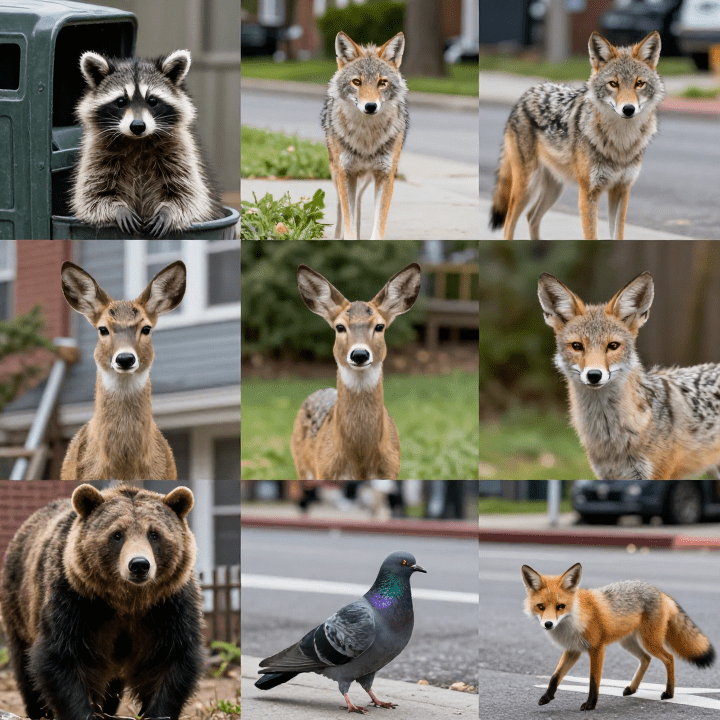
Have you ever noticed how, well, bold some wild animals are becoming? Raccoons, coyotes, even deer and bears, seem less afraid, stepping right into our backyards, our parks, and sometimes, even closer.
What’s going on? Why are these creatures, once shy and elusive, now practically our neighbors? It’s a “why” question that cuts right to the heart of how we interact with the natural world.
One major reason is simple: habitat loss. As our cities grow, we’re taking away their natural homes, forcing them to adapt or move. And boy, have they adapted! They’re learning to find food, shelter, and even raise their young, right here amongst us.
They’re also smart! They learn that humans often mean easy food, whether it’s from our garbage, gardens, or accidental drops. Plus, many urban areas lack their natural predators, allowing their populations to thrive and their fear of us to diminish.
This isn’t just a quirky observation; it’s a critical shift. Understanding why animals are becoming so bold is crucial for learning how to coexist safely, for both them and us.
It forces us to ask: What does it mean for the future of wildlife, and our own urban landscapes, when the wild becomes, well, a little less wild?