
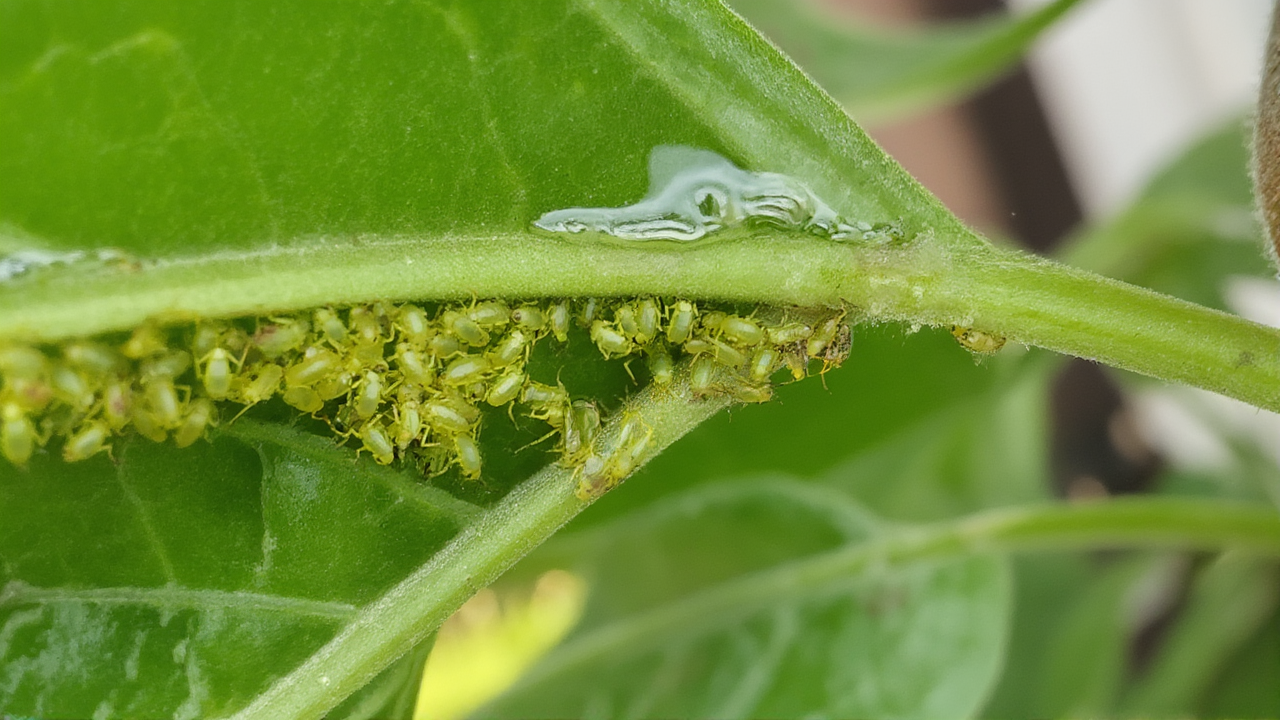
Ever noticed tiny, pear-shaped bugs clinging to your plants, making leaves curl or turn yellow? Those are likely aphids, and they’re one of the most common garden pests! They feed on plant sap, weakening your green friends and sometimes even spreading plant diseases. But don’t despair! You’ve got lots of options to send them packing.
One of the simplest and quickest ways to deal with a mild aphid problem is a good old-fashioned blast of water! A strong spray from your garden hose can physically dislodge them from your plants. Aim for the undersides of leaves, too, as aphids love to hide there. This method works best on sturdy plants and before a major infestation takes hold.
Mother Nature provides some amazing allies in the fight against aphids! Ladybugs, especially their larvae, are voracious aphid eaters and can consume dozens of them daily. Green lacewings and hoverfly larvae are also fantastic predators, feasting on aphids. You can attract these beneficial insects by planting diverse flowers and herbs, and by avoiding broad-spectrum pesticides that might harm them.
For a more targeted approach, a homemade soap spray can be incredibly effective. Mix a few tablespoons of pure liquid soap, like castile soap, with a gallon of water. Avoid detergents, as they can harm your plants! This mixture works by dissolving the aphid’s protective outer layer, causing them to dehydrate and die. Spray directly onto the aphids, making sure to coat the undersides of leaves. Repeat every few days until they’re gone.
Neem oil, extracted from the neem tree, is another powerful natural solution. It acts as a repellent and disrupts aphids’ feeding and reproductive cycles, eventually leading to their demise. Mix it with water according to package directions and spray all over your affected plants. Neem oil is also known to help control various other pests and even some fungal diseases.
Prevention is key! Healthy plants are less susceptible to pests. You can also try companion planting. Certain plants, like marigolds, garlic, and chives, naturally repel aphids with their strong scents or attract beneficial insects that keep aphids in check. This creates a natural defense system for your garden.
If natural methods aren’t quite cutting it for a severe infestation, you might consider commercial insecticidal soaps or horticultural oils. These are specially formulated to be effective against soft-bodied insects like aphids while minimizing harm to your plants and beneficial insects. Always read and follow the label instructions carefully to ensure safe and effective use.
From a simple water spray to inviting beneficial insects, and using natural remedies like soap and neem oil, you have many tools to keep aphids from taking over your garden. Start with the gentlest methods, be persistent, and enjoy your happy, thriving plants!