
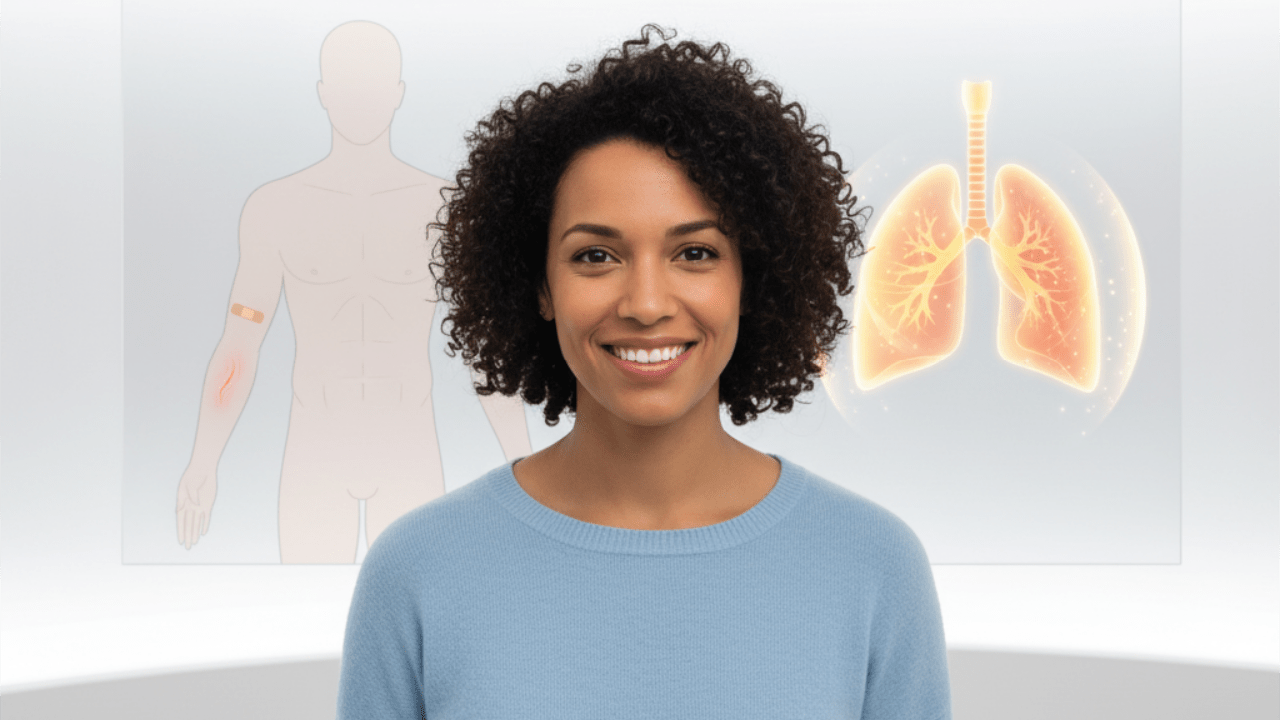
Hi everyone! Today, we’re going to talk about something really serious, but often misunderstood: Sepsis. You might have heard of it as “blood poisoning,” but it’s much more than that. So, what exactly is sepsis?
Think of it this way: when you get an infection, like a cut, pneumonia, or a UTI, your body’s immune system kicks in to fight off those nasty germs. It’s like your internal army. But with sepsis, this army goes haywire. Instead of just fighting the infection, it starts to attack your own tissues and organs. This overreaction causes widespread inflammation, which is incredibly dangerous.
Because it’s your body reacting to an infection, the symptoms can be a bit general, making it tricky to spot. Look out for a high temperature or shivering, confusion or slurred speech, extreme pain or discomfort, fast heart rate, fast breathing or breathlessness, and clammy or sweaty skin. If you notice a combination of these, especially if you know you have an infection, it’s a red flag.
When your body attacks its own organs, they don’t get enough blood and oxygen. This can lead to organs like your kidneys, lungs, heart, or brain starting to fail. In severe cases, blood pressure can drop dangerously low, a condition called septic shock, which can be fatal. This is a medical emergency, just like a heart attack or stroke.
The key to surviving sepsis is speed . Early treatment can significantly improve the chances of recovery. Doctors act fast, typically giving strong antibiotics and intravenous fluids to stabilize the patient. Sometimes, other treatments like oxygen support or even surgery to remove the source of infection are needed.
While anyone can get sepsis, those with weakened immune systems, very young children, and older adults are at higher risk. The best prevention is to prevent infections in the first place, by practicing good hygiene and getting recommended vaccinations. And most importantly, know the signs and symptoms. If you suspect sepsis, seek immediate medical attention. It could save a life.