Hey everyone, and welcome back to the channel! Have you ever heard of Rosh Hashanah and wondered, “What exactly is it?” Well, you’re in the right place! Today, we’re diving into the Jewish New Year – a truly special and meaningful holiday.
So, what is Rosh Hashanah? Simply put, it’s the Jewish New Year! But it’s not like the New Year’s Eve party you might be used to on December 31st. Instead, it’s a deeply spiritual two-day holiday that typically falls in September or early October, marking the beginning of the Jewish calendar year. The name itself, “Rosh Hashanah,” literally means “head of the year” in Hebrew.
Rosh Hashanah isn’t just about turning a page on the calendar; it’s a celebration of the universe’s birthday, commemorating the creation of Adam and Eve. It’s also considered a “Day of Judgment,” when Jewish people believe God reviews everyone’s actions from the past year and decides their fate for the coming year. Talk about a fresh start, right?
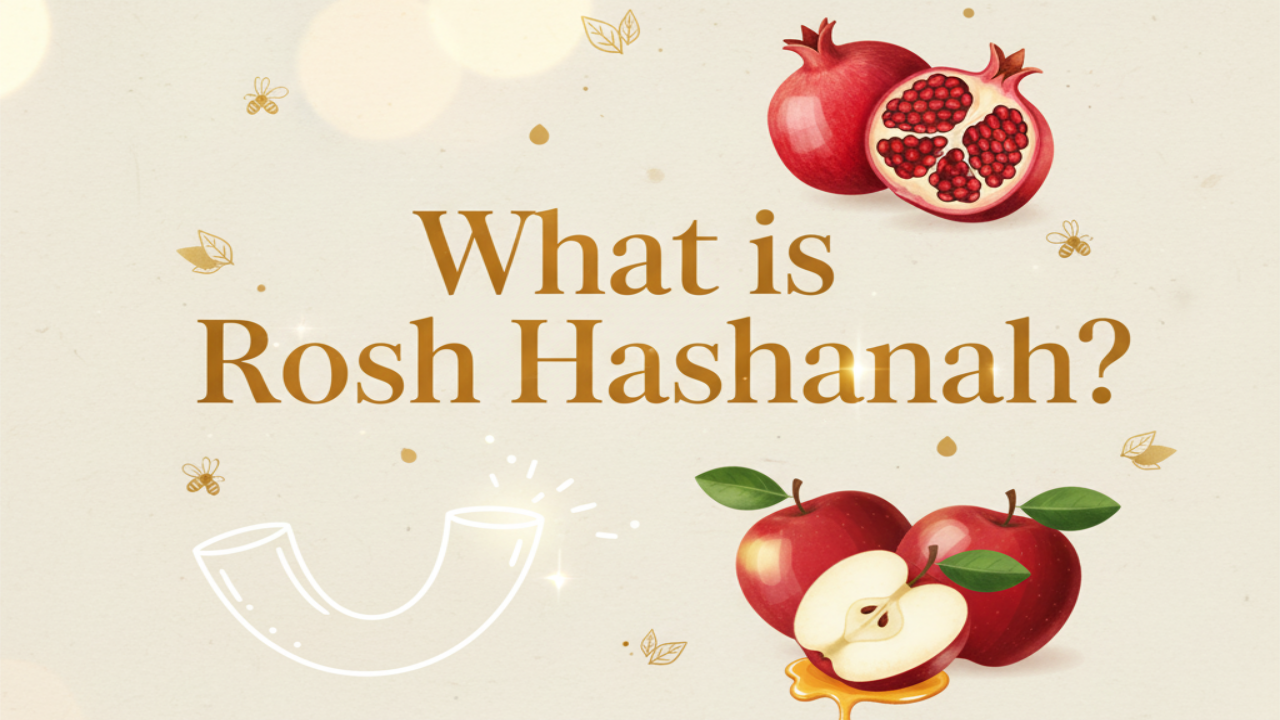
One of the most iconic traditions of Rosh Hashanah is the blowing of the shofar, a ram’s horn. It’s blown numerous times during synagogue services, creating a unique, soulful sound. Think of it as a spiritual alarm clock, a call to awaken, reflect, and look inward, urging people to think about their actions and seek forgiveness.
Food plays a big role too! Families gather for festive meals, and you’ll often see apples dipped in honey. This sweet combination symbolizes the hope for a “good and sweet new year.” You might also find round challah bread, symbolizing the cycle of life and the year.
Another beautiful tradition is Tashlich, often observed on the first afternoon of Rosh Hashanah. People go to a natural body of flowing water, like a river or lake, and symbolically cast away their sins by tossing breadcrumbs into the water. It’s a powerful visual way to let go of past mistakes and start anew.
Rosh Hashanah is the start of a ten-day period known as the “Days of Awe,” culminating in Yom Kippur, the Day of Atonement. These days are dedicated to deep reflection, repentance, and prayer, focusing on improving oneself and strengthening one’s connection with God and others. It’s a time for asking forgiveness and committing to positive changes.
So, Rosh Hashanah is much more than just a new year; it’s a profound time of introspection, renewal, and hope. It’s about celebrating creation, reflecting on our lives, and setting intentions for a sweet and meaningful year ahead. If you ever have a Jewish friend, a simple “Shana Tova” – meaning “good year” – is a wonderful way to wish them well!