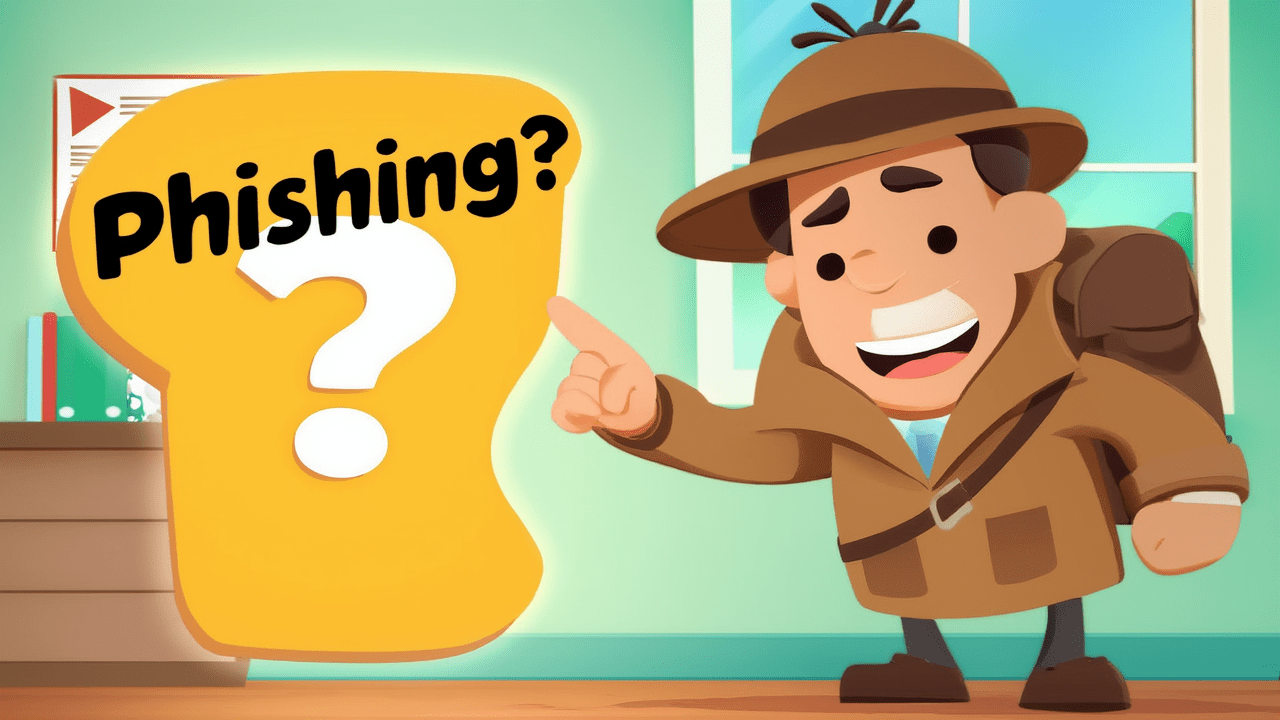
Hey there, ever heard the term “phishing” and wondered what it actually means? Well, stick around, because today, we’re diving into this sneaky online trick!
Imagine a fisherman casting a line. Phishing is a bit like that, but instead of fish, cybercriminals are trying to “catch” your sensitive information, like passwords or bank details.
They do this by pretending to be someone trustworthy: maybe your bank, a popular online service, or even a friend, all to trick you into revealing your private data.
You might get a fake email saying your bank account is locked, or a text claiming there’s an urgent delivery issue. They’ll often include a link that looks legitimate, but leads to a fake website designed to steal your info.
So, how do you protect yourself? Always, and I mean always , check the sender’s email address carefully. Look for typos or strange grammar in the message. If something feels off, it probably is.
Never click on suspicious links, and if you’re unsure, go directly to the official website or contact the company through a trusted number. Stay vigilant, stay safe, and don’t let those phishers reel you in!