
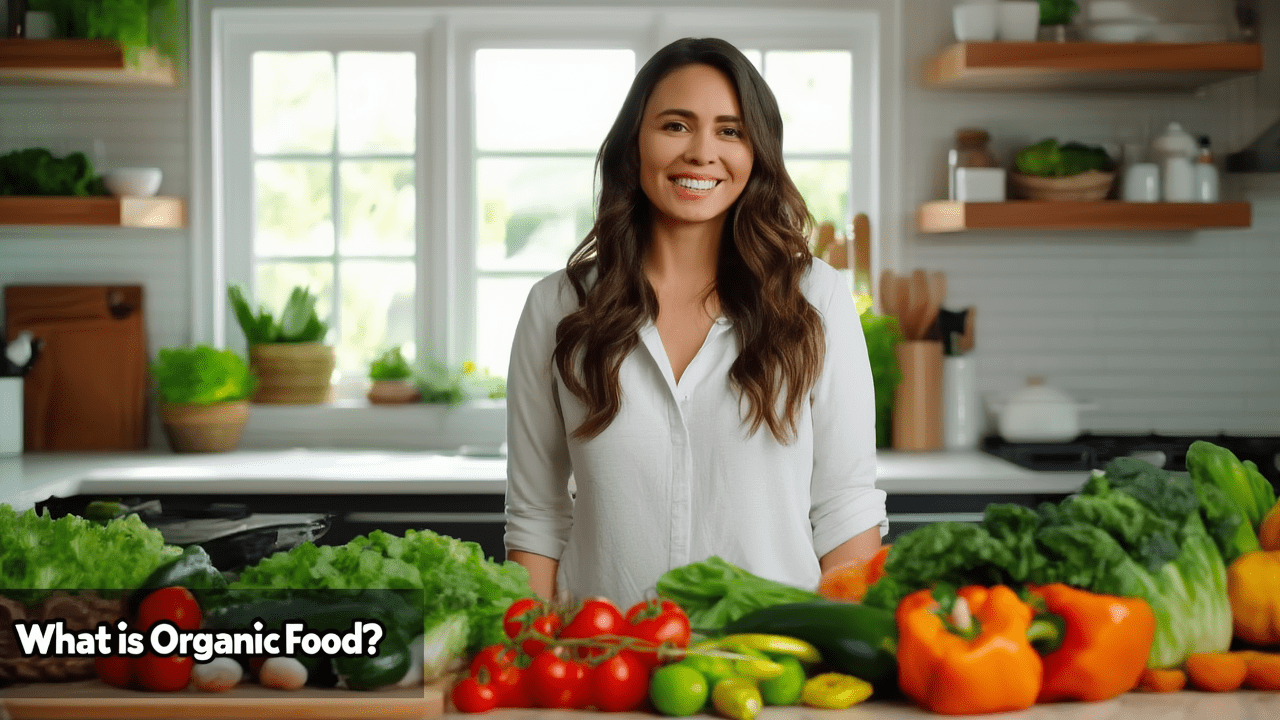
Hey everyone! Have you ever wondered what “organic food” really means? It’s a term we hear a lot, but sometimes, it feels a bit… fuzzy.
Simply put, organic food refers to produce and other agricultural products grown and processed without the use of most conventional pesticides, synthetic fertilizers, genetically modified organisms (GMOs), or antibiotics and growth hormones for livestock. It’s a whole system of farming that focuses on working with nature.
The core of organic farming lies in four main principles: health, ecology, fairness, and care. It’s about sustaining and enhancing the health of the soil, plants, animals, humans, and the planet as one interconnected system. Farmers use natural methods, like compost and crop rotation, to keep the soil rich and healthy, rather than relying on artificial chemicals.
So, what does this mean for the food itself? For organic crops, you won’t find synthetic pesticides or petroleum-based fertilizers. Instead, organic farmers manage pests by rotating crops and using beneficial insects. And, GMOs are a definite no-go.
When it comes to organic meat, poultry, eggs, and dairy, the animals are raised under specific welfare standards. They must have access to the outdoors, be fed organic feed, and are not given antibiotics or growth hormones. This promotes a more natural and humane living environment for them.
Even processed organic foods have strict rules. They generally can’t contain artificial colors, flavors, or preservatives. This means fewer artificial additives in your snacks and meals.
You might be thinking, “Is organic food really better for me?” While studies on nutritional benefits can be mixed, organic food typically has lower levels of pesticide residues. Many people also choose organic for environmental reasons, as these farming methods are generally considered more sustainable and better for soil quality and biodiversity.
Of course, organic food often comes with a higher price tag due to the more labor-intensive farming methods and certification costs. But for many, the peace of mind regarding what’s not in their food, and the environmental benefits, make it a worthwhile choice.
So, the next time you’re at the grocery store, look for the organic label – it’s a sign of food produced with care for the environment, animals, and hopefully, you!