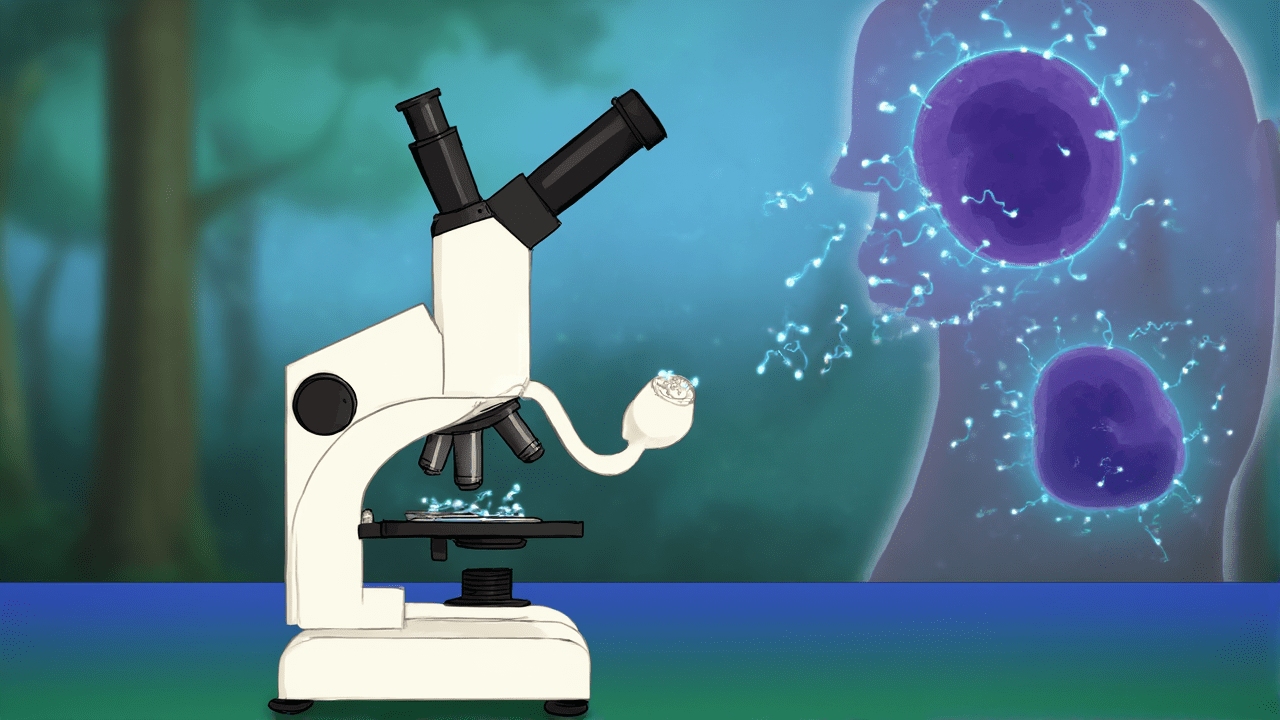
Ever wondered about the invisible world around and inside us? Today, we’re demystifying two tiny players that often get confused: viruses and bacteria!
First up, bacteria! Think of them as tiny, single-celled organisms, truly alive. They have their own machinery to grow, get energy, and reproduce all by themselves. They come in many shapes and sizes and are found everywhere: in soil, water, and even inside you! In fact, your body has trillions of bacterial cells, many of which are super helpful, aiding digestion and boosting your immune system. But, yes, some can cause infections like strep throat.
Now, let’s talk about viruses. These are much, much smaller than bacteria—sometimes a hundred times smaller! Here’s the kicker: many scientists don’t even consider them “fully alive.” Why? Because a virus is essentially just a packet of genetic material, like DNA or RNA, wrapped in a protein coat. They can’t survive or reproduce on their own. Instead, they’re like tiny hijackers. A virus has to sneak into a living cell, like one of yours, and then force that cell to make more copies of the virus. This often damages or kills the host cell, making you sick. Think of common colds, the flu, or COVID-19 – these are all caused by viruses.
So, what’s the big difference? Bacteria are independent, living cells that can reproduce on their own. Viruses, however, need a host cell to come alive and multiply. This is why antibiotics, which target the machinery of living bacterial cells, work against bacteria but are useless against viruses. For viruses, your immune system or antiviral medications are the main defenses.
Understanding these tiny differences helps us grasp how illnesses spread and why different treatments are needed. Knowledge is power, even when it comes to the microscopic world! Stay curious, stay healthy!