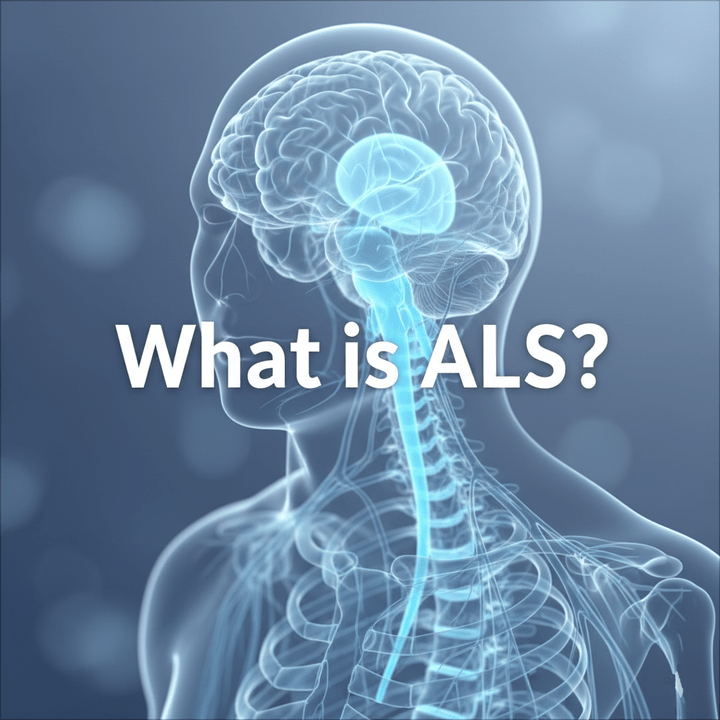
Hey everyone! Have you ever heard of ALS, or Amyotrophic Lateral Sclerosis? It’s a serious condition that affects your brain and spinal cord, specifically the nerve cells that control your muscles.
Think of your brain as the control center, sending messages through “wires” – those are your nerve cells, or motor neurons – to tell your muscles what to do. In ALS, these vital “wires” start to break down and die. When that happens, your brain can’t send messages to your muscles anymore.
Initially, you might notice muscle weakness, twitching, or stiffness in your arms, legs, or even your tongue. Simple tasks, like walking, writing, or even speaking, can become incredibly difficult.
As ALS progresses, this muscle weakness spreads throughout the body. It can eventually affect your ability to chew, swallow, speak, and even breathe. It’s a progressive disease, meaning symptoms get worse over time.
So, what causes ALS? Well, in most cases, around 90%, the cause isn’t fully known and is called “sporadic ALS.” About 5 to 10% of cases are “familial ALS,” which means it’s inherited through genetics. While the exact cause is unclear, it’s believed to be a combination of genetic and environmental factors.
Unfortunately, there’s currently no cure that reverses the damage caused by ALS. However, treatments and therapies are available to help manage symptoms, slow down its progression, and improve quality of life. Things like physical therapy, occupational therapy, and medications can make a difference.
ALS is a challenging disease, but understanding it is a crucial first step. If you or someone you know is affected, remember there are resources and support networks available.