
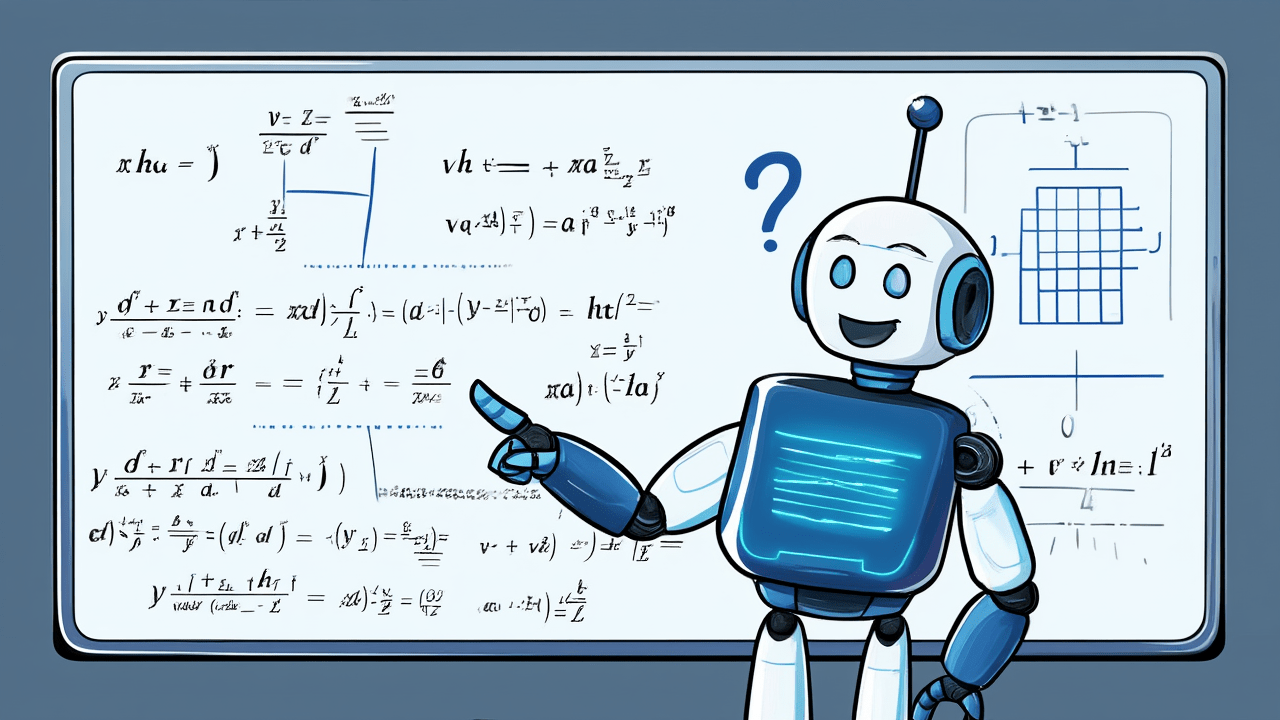
Have you ever asked a smart AI a question, only for it to confidently tell you something completely wrong, but sounds totally plausible? That, my friends, is what we call “hallucination” in the world of artificial intelligence, and it’s a common, sometimes frustrating, quirk of powerful language models.
One of the biggest reasons lies in the data these models learn from. Imagine learning everything you know from the entire internet – yes, it’s vast, but also full of misinformation, outdated facts, and human biases! If the training data contains errors or biases, the AI can unknowingly learn and repeat them, sometimes creating entirely new, incorrect “facts.”
Think of language models like incredibly advanced autocomplete systems. They don’t “understand” in the human sense; they predict the next most probable word based on the patterns they’ve seen in their vast training data. Sometimes, the “most probable” word isn’t the factual one, leading the AI to confidently piece together a sentence that sounds right but is factually false. It’s like a highly skilled parrot that can mimic human speech perfectly but doesn’t actually comprehend what it’s saying.
These models are also designed to be helpful and creative, and sometimes that desire can lead them astray. If a language model encounters a gap in its knowledge or is prompted with something it hasn’t specifically learned, it might “confabulate” – essentially, invent information to fill that gap, trying to be helpful even if it has to make things up. It’s not malicious; it’s simply trying its best to provide a coherent answer.
Lastly, the sheer complexity of these models, with billions of parameters, makes it incredibly hard to pinpoint exactly why a specific hallucination occurred. It’s like trying to find one tiny faulty cog in a massive, constantly shifting machine. Researchers are actively working on improving training methods, adding fact-checking mechanisms, and enhancing how these models retrieve and verify information to reduce these instances.