
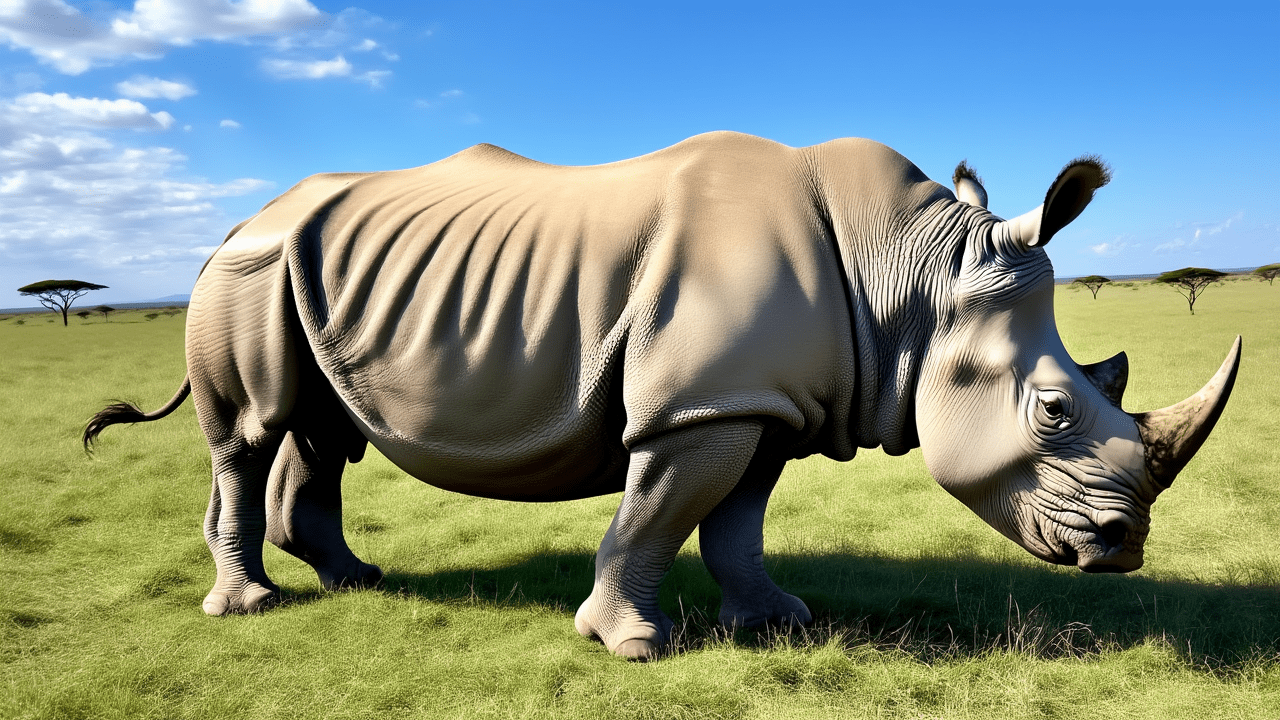
Have you ever wondered, “Why conserve the white rhinoceros?” Well, these magnificent giants of the African plains are more than just impressive animals; they’re crucial to our world! Though the southern white rhino population has seen a remarkable recovery and is now classified as Near Threatened, their future, and that of their critically endangered northern cousins, still hangs in the balance.
White rhinos are often called “ecological engineers” or “keystone species.” That’s a fancy way of saying they shape their entire environment! By grazing on vast amounts of grass, they prevent overgrowth, creating natural lawns that benefit countless other animals like zebras and antelopes. This selective grazing even helps increase plant biodiversity and can reduce the risk of wildfires!
Their activities don’t stop there! As they wallow and move, rhinos create and maintain vital waterholes, making water accessible to other creatures. And get this, their dung helps disperse seeds, enriching the soil and supporting a diverse food chain, even for tiny dung beetles! They truly help the whole ecosystem thrive.
Beyond their ecological importance, white rhinos are economic powerhouses! They’re one of Africa’s iconic “Big Five” animals, drawing tourists from all over the world. This ecotourism generates crucial revenue, creates jobs for local communities, from guides to conservation rangers, and funds vital anti-poaching efforts.
Despite their importance, rhinos face severe threats, primarily poaching for their horns, which have no proven medicinal value. This illegal trade has pushed the northern white rhino to the very brink of extinction, with only two females left. Their struggle is a stark reminder of our urgent responsibility.
So, why conserve the white rhinoceros? Because they are integral to the health of our planet’s savannas, essential for local economies, and hold an intrinsic value as a magnificent species with a right to exist. Protecting them means protecting an entire ecosystem, ensuring a richer, healthier world for all of us, and for generations to come.