
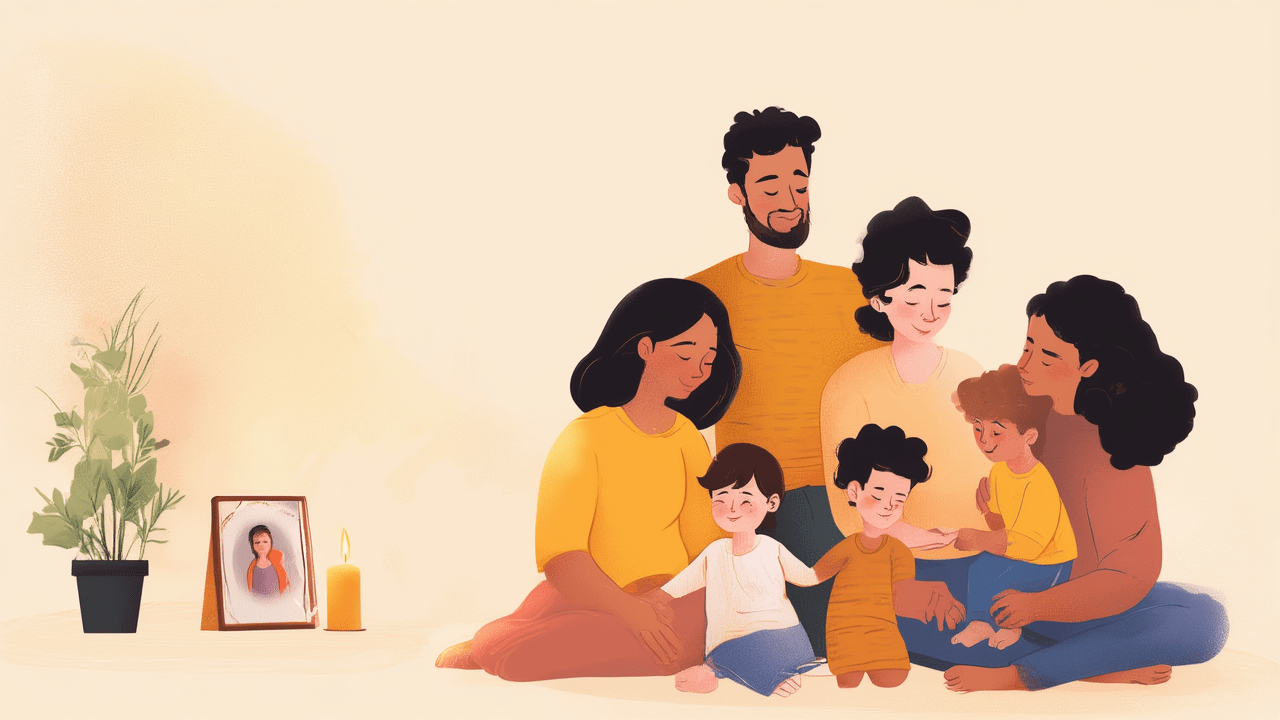
Have you ever wondered, why some traditions observe exactly nine days of mourning after a loved one passes away? It’s a question many of us ponder, and the answer lies in a fascinating blend of history, culture, and deep-seated beliefs.
Well, the number nine itself holds significant symbolic weight in many cultures and religions around the world, often representing completeness, transition, or even a spiritual journey. For example, in Catholicism, a “novena” — from the Latin for nine — is a devotion of prayers for nine consecutive days. In Judaism, “The Nine Days” is a period of heightened mourning leading up to Tisha B’Av, commemorating historical tragedies. Similarly, the “Nine-Night” tradition in some Caribbean countries is an extended wake lasting nine days, rooted in West African Akan culture.
During these nine days, grieving families and friends often engage in specific rituals like praying, gathering to share memories, or simply offering mutual support. It’s a structured period, allowing people to process their grief, honor the departed, and find solace together. These rituals provide a sense of structure and meaning to the grieving process.
Ultimately, these nine days aren’t just about sadness; they provide a dedicated space for reflection, healing, and a collective farewell. It’s a time-honored way for communities to support each other through loss, allowing for a gradual transition towards acceptance and remembrance.