
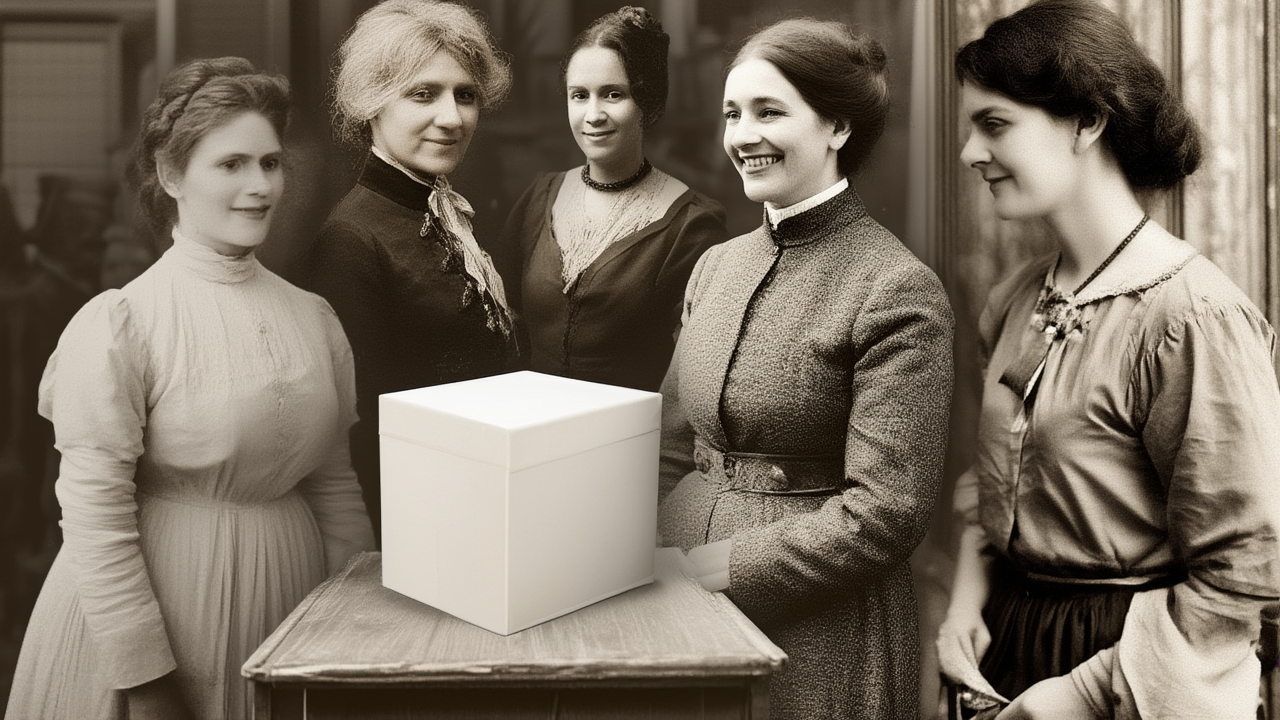
Hey everyone, ever wondered why women couldn’t always vote in America? Well, today, we’re diving into the “why” behind one of the most pivotal moments in U.S. history: the 19th Amendment!
Imagine a time, not too long ago, when half the adult population, women, were completely excluded from deciding who would represent them, from shaping the laws that governed their lives. They paid taxes, contributed to society, but had no say at the ballot box. It was, quite simply, unjust.
This glaring inequality sparked a movement, a powerful, determined struggle spanning decades. Brave women, and some men, known as suffragists, organized, protested, marched, and lobbied tirelessly. Figures like Susan B. Anthony and Elizabeth Cady Stanton became household names, challenging the very foundation of patriarchal society.
Their argument was clear and compelling: a democracy cannot truly be a democracy if half its citizens are disenfranchised. Women deserved equal rights, equal representation, and the fundamental right to participate in their government. It wasn’t just about voting; it was about full citizenship, about recognizing women as independent, capable individuals.
Finally, after over 70 years of relentless effort, on August 18, 1920, the 19th Amendment was ratified. It declared that the right of citizens to vote “shall not be denied or abridged by the United States or by any State on account of sex.” This was a monumental victory, fundamentally changing the landscape of American politics and paving the way for future advancements in women’s rights.