Have you ever looked at a zebra and wondered, “Why those stripes?” It’s one of nature’s most iconic patterns, and for a long time, scientists have puzzled over its purpose. Let’s dive into the fascinating reasons behind this unique coat!
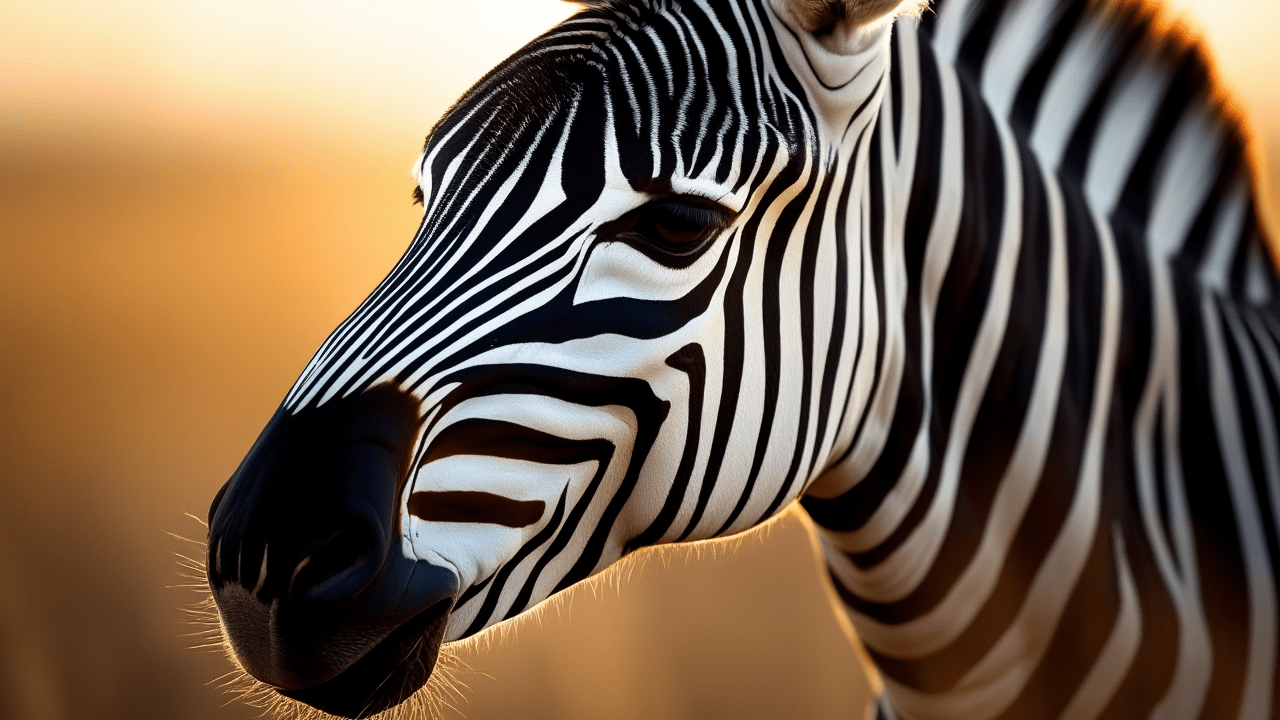
One of the most strongly supported theories is that stripes act as a natural insect repellent. Biting flies, like horseflies and tsetse flies, are a big problem for zebras, as they can transmit deadly diseases. Studies show these flies find it incredibly difficult to land on the zebra’s striped surface, as the pattern seems to confuse their vision, making them veer off course. It’s like a built-in pest control system!
Another cool idea, literally, is thermoregulation. The black stripes absorb more sunlight and get hotter, while the white stripes reflect light and stay cooler. This temperature difference creates tiny air currents right over the zebra’s skin, acting like a natural air conditioning system that helps them cool down in the scorching heat! Zebras can even raise the hair on their black stripes to help release heat.
Then there’s the “motion dazzle” theory, which suggests stripes confuse predators like lions. When a herd runs together, all those moving stripes can create an optical illusion, making it incredibly hard for a predator to pick out a single zebra to target. While this theory is still debated, it’s certainly a visually stunning effect!
So, it’s not just one reason, but likely a combination of these incredible adaptations that give zebras their iconic stripes. From deterring annoying insects to keeping cool and potentially confusing predators, these patterns are a true masterpiece of evolution.