
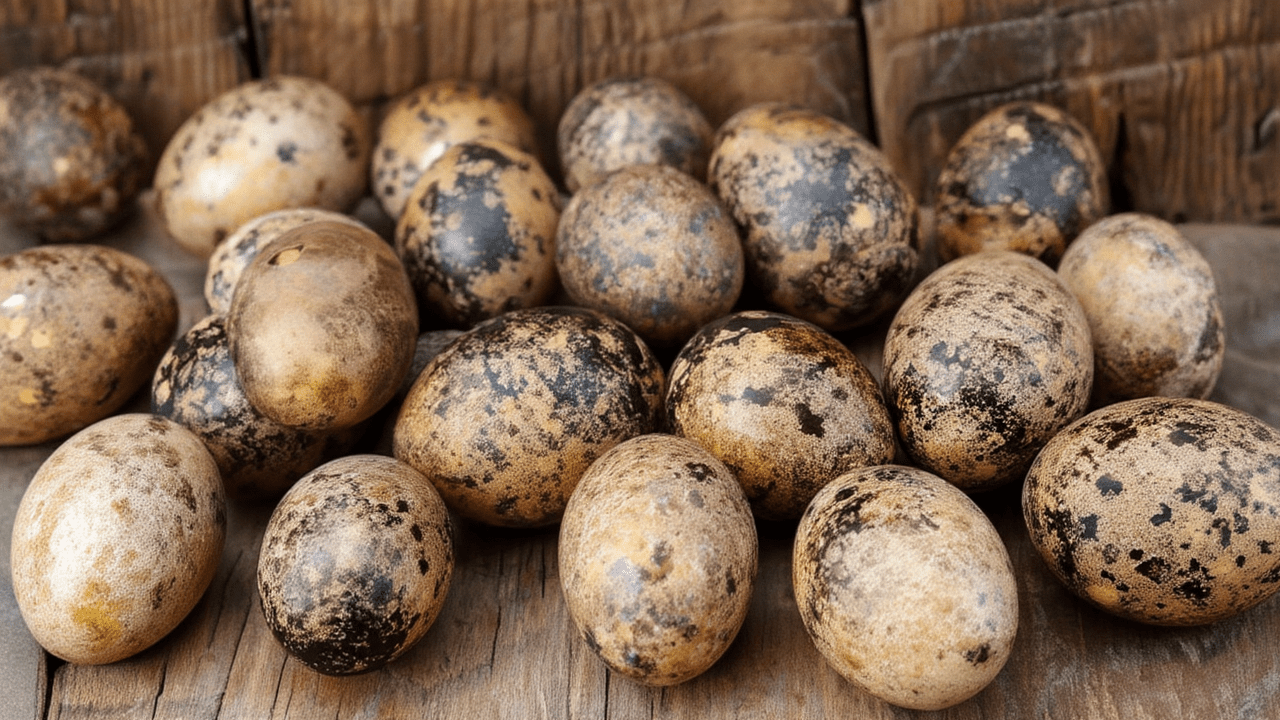
Ever seen these mysterious, dark-hued eggs and wondered, what in the world are those ? They’re called century eggs, or Pidan, and despite the name, they’re not actually 100 years old! They’re a Chinese delicacy, preserved for weeks or months, transforming them into a unique culinary experience.
Now, let’s talk taste. The smell can be a bit… pungent, sometimes like sulfur or ammonia, but that’s normal! The flavor, though, is surprisingly umami, salty, and savory, often compared to a rich blue cheese. The white is gelatinous, and the yolk is wonderfully creamy.
The simplest way to enjoy a century egg is peeled, sliced, and served with a side of pickled ginger. The crisp, tangy ginger perfectly cuts through the rich, earthy flavor of the egg, making it a delightful appetizer. A drizzle of soy sauce adds that extra savory kick!
For a truly comforting experience, try century eggs in congee, a Chinese rice porridge. The diced eggs melt into the warm, creamy porridge, mellowing their strong flavor and adding an incredible depth of umami. It’s a classic combination, often paired with lean pork and fried dough sticks.
Another fantastic way to balance the richness of century eggs is with chilled silken tofu. Simply dice the eggs, place them over soft, cold tofu, and drizzle with a sauce made of soy sauce, sesame oil, and a hint of ginger and scallions. It’s refreshing and surprisingly harmonious!
Beyond these classics, century eggs are incredibly versatile! They can be chopped and added to omelets or steamed egg dishes, or even stir-fried with vegetables for an extra layer of savory complexity. Don’t let their appearance fool you; they’re an acquired taste worth acquiring!