
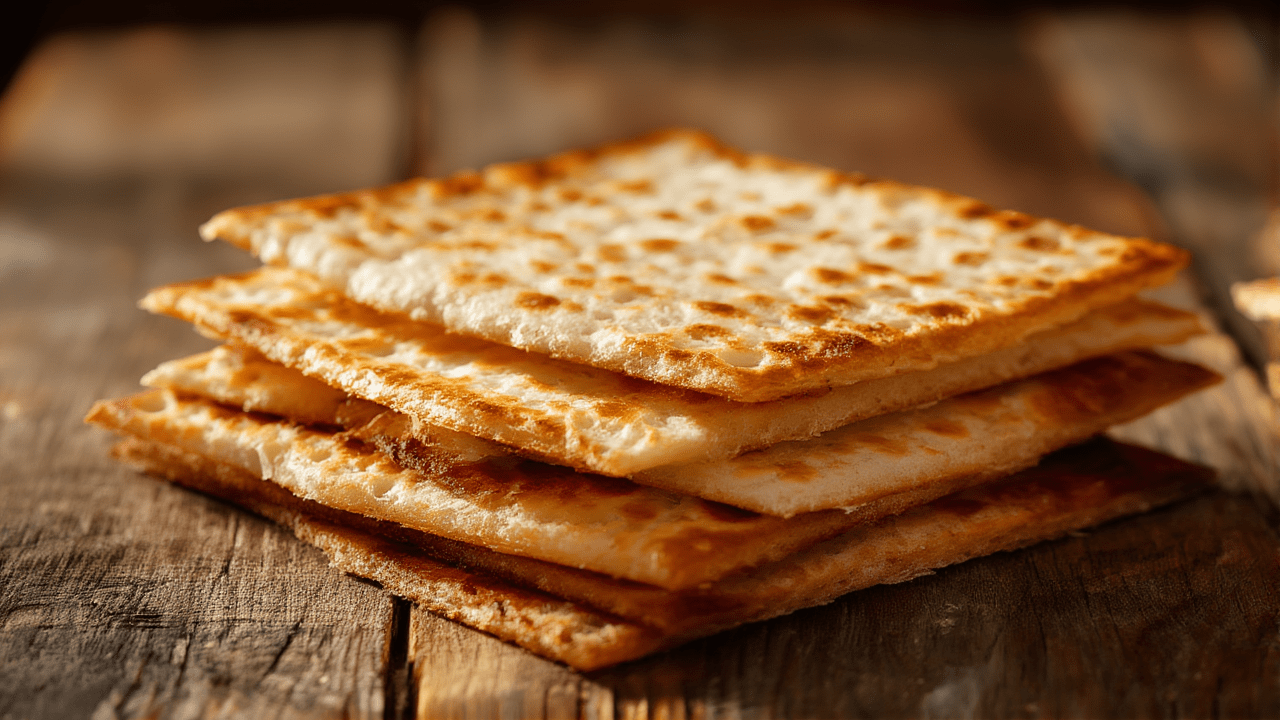
Ever wondered why some cultures, particularly during significant religious holidays, opt for flat, unrisen bread? What’s the deal with unleavened bread?
The most famous example comes from the Jewish holiday of Passover. The story goes that when the Israelites fled Egypt, they had to leave in such a hurry, there wasn’t even time for their bread dough to rise.
This haste meant they baked simple, flat bread, known as matzah, commemorating their swift departure and liberation. It’s a powerful reminder of freedom and urgency.
So, beyond just a quick meal, unleavened bread symbolizes humility, a lack of puffiness or pride, and the quickness of divine intervention. It represents a fresh start, without the ‘leaven’ of old habits.
It’s also incredibly practical! Unleavened bread is simple to make, requires minimal ingredients, and lasts longer in hot climates. Many cultures around the world still enjoy various forms of flatbreads daily, from tortillas to roti, for their convenience and versatility!
So, from ancient exodus stories to everyday practicality, unleavened bread carries deep historical, religious, and culinary significance. It’s more than just a flatbread; it’s a taste of history and tradition!