Hey everyone, and welcome! Today, we’re diving into a topic that’s sparked a lot of conversation: the XL Bully dog. You’ve likely seen them, or at least heard the name, but what exactly is an XL Bully?
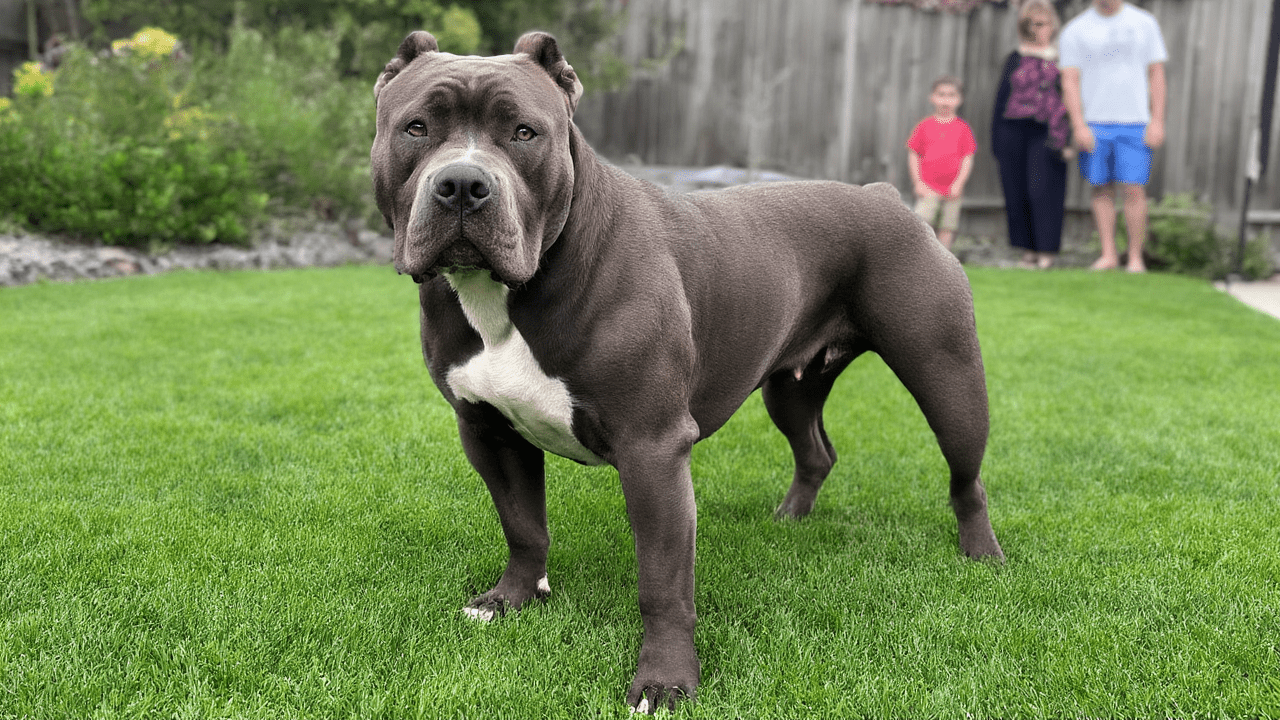
Well, the XL Bully isn’t a traditionally recognized breed like a Labrador or a Poodle. Instead, it’s a specific “type” of the American Bully, selectively bred to be larger and more muscular than its counterparts. Developed in the 1980s and 90s, they originated from crosses involving breeds like the American Pit Bull Terrier and the American Staffordshire Terrier, with breeders aiming for a loyal, stable, and family-friendly companion. They’re characterized by their heavy, broad heads, muscular bodies, and powerful build, often weighing between 70 to 130 pounds.
So, why are they at the center of such intense debate, even leading to bans in places like the UK? The primary reason is a significant increase in severe and, tragically, fatal attacks linked to dogs of this type. Their immense size, strength, and powerful bite force, reported around 305 pounds per square inch, mean that when an attack does occur, the injuries can be devastating. Governments in England, Wales, and Scotland have implemented bans to address these public safety concerns.
This situation has fueled a heated “nature versus nurture” debate. Many, including some animal welfare charities, argue that “deed, not breed” should be the focus, believing no dog is inherently dangerous. They suggest that irresponsible breeding, sometimes focusing on aggressive traits, and poor ownership, lack of training, or improper socialization are the real culprits behind problematic behavior, regardless of the dog’s type. Others, however, point to the breed’s physical capabilities and the statistics of incidents, arguing that their inherent power poses a unique risk.
As a result of the bans, owning an XL Bully in affected areas now requires strict compliance, including obtaining a Certificate of Exemption, having the dog microchipped, neutered, and always keeping it muzzled and on a lead in public. This highlights the critical importance of responsible dog ownership for all breeds, but especially for powerful dogs like the XL Bully. Proper training, socialization from a young age, and understanding the needs of such a strong animal are paramount to ensuring safety and promoting harmonious coexistence.