
Have you ever wondered why the Vietnam War, a conflict that deeply impacted the 20th century, actually happened? Let’s break it down, simply.
Well, for a long time, Vietnam was a colony of France, part of what they called French Indochina. Think of it like a country owned by another, far away nation. But, like many people under colonial rule, the Vietnamese yearned for their freedom.
This desire for independence was led by a charismatic figure named Ho Chi Minh. He and his movement, the Viet Minh, were not just fighting for independence; they were also communists, inspired by ideas from places like China and the Soviet Union.
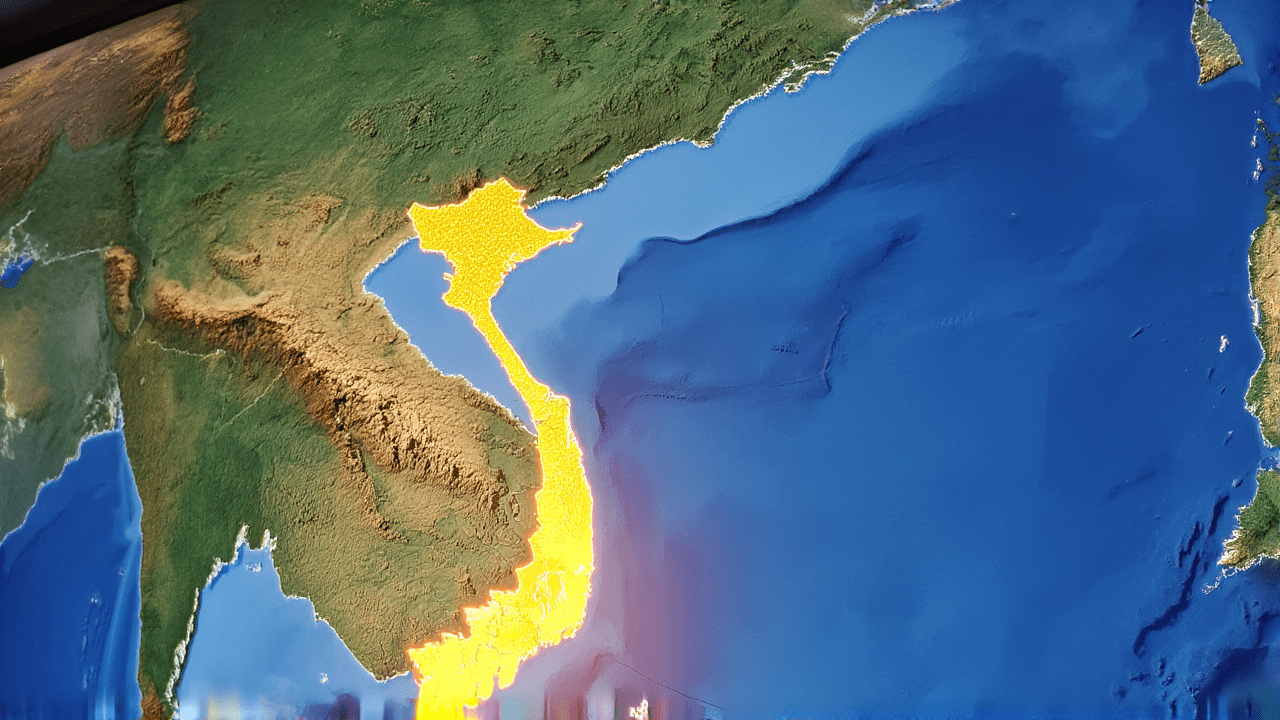
After a long struggle, the Vietnamese defeated the French in a major battle called Dien Bien Phu. This led to an agreement, temporarily dividing Vietnam into two parts: a communist North, led by Ho Chi Minh, and a non-communist South. The plan was to reunite later with elections.
Now, here’s where the United States comes in. During the Cold War, America was fiercely anti-communist. They believed in something called the “Domino Theory.” The idea was, if one country in Southeast Asia fell to communism, others would quickly follow, like falling dominoes.
Fearing this “domino effect,” the U.S. started supporting the non-communist government in South Vietnam, providing money, weapons, and military advisors. They wanted to stop communism from spreading further.
A key turning point was the Gulf of Tonkin incident in 1964, where U.S. ships allegedly came under attack. This event, though controversial, gave the U.S. a reason to escalate its involvement dramatically, leading to full-scale war.
So, in essence, the Vietnam War happened because of a complex mix: Vietnam’s fight for independence from France, the rise of communism under Ho Chi Minh, and America’s Cold War fear of communism spreading, leading them to intervene in a divided nation.