
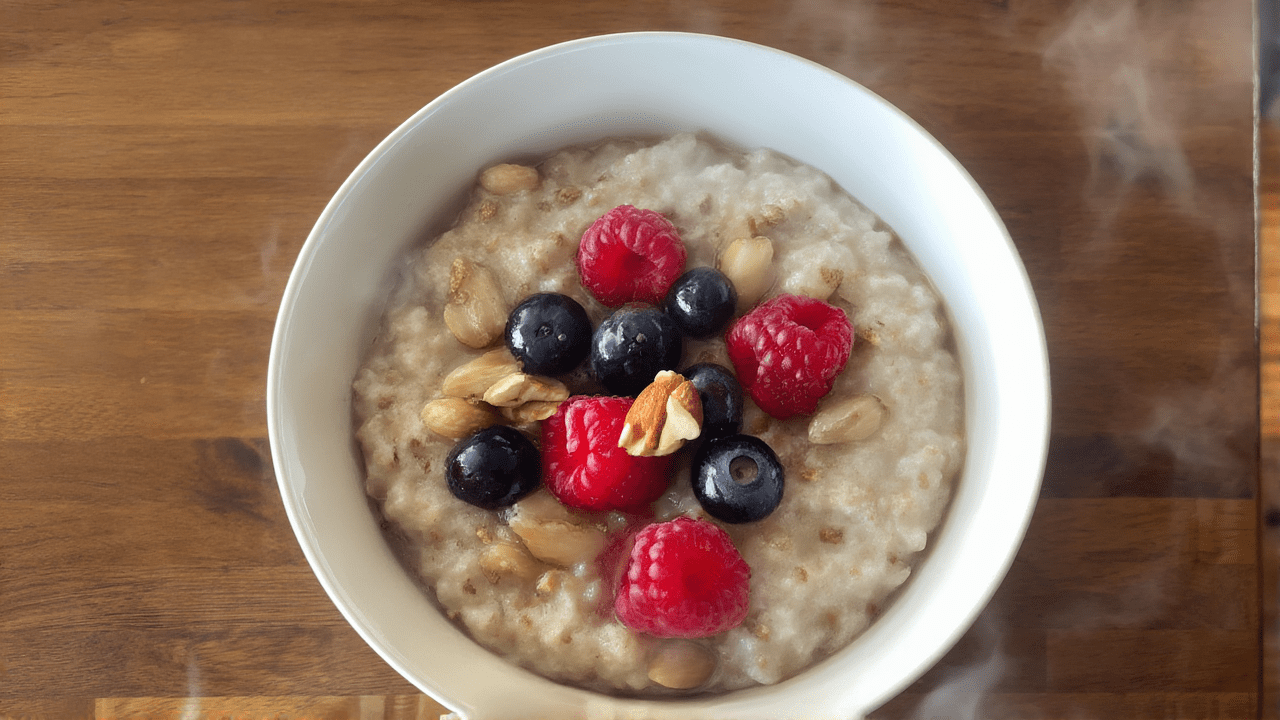
For years, oatmeal has been hailed as the king of healthy breakfasts, a warm, comforting bowl packed with fiber and goodness. But what if I told you there’s another side to this breakfast favorite? What if, for some, oatmeal isn’t quite the superfood it’s cracked up to be?
One big concern is phytic acid, or phytate. Oats contain it naturally, and while not inherently ‘bad,’ phytic acid can bind to essential minerals like iron, zinc, and calcium in your gut, making them harder for your body to absorb. This isn’t usually an issue if your diet is varied, but if oats are a major staple, it’s something to consider.
Then there’s the issue of added sugars, especially in many instant and flavored oatmeals. These can turn a healthy whole grain into a sugar bomb, spiking blood sugar and negating many of the benefits. Always check the ingredient list!
For those with gluten sensitivities or celiac disease, even naturally gluten-free oats can be a problem due to cross-contamination during processing, unless they’re certified gluten-free. Also, some people simply find the high fiber content hard to digest, leading to bloating or gas.
So, is oatmeal ‘bad’ for you? Not necessarily! For most people, in its plain, whole-grain form, it’s incredibly healthy. The key is to be mindful of added sugars, consider certified gluten-free options if you’re sensitive, and perhaps try soaking your oats overnight to reduce phytates. It’s all about how you prepare it and your individual needs.